
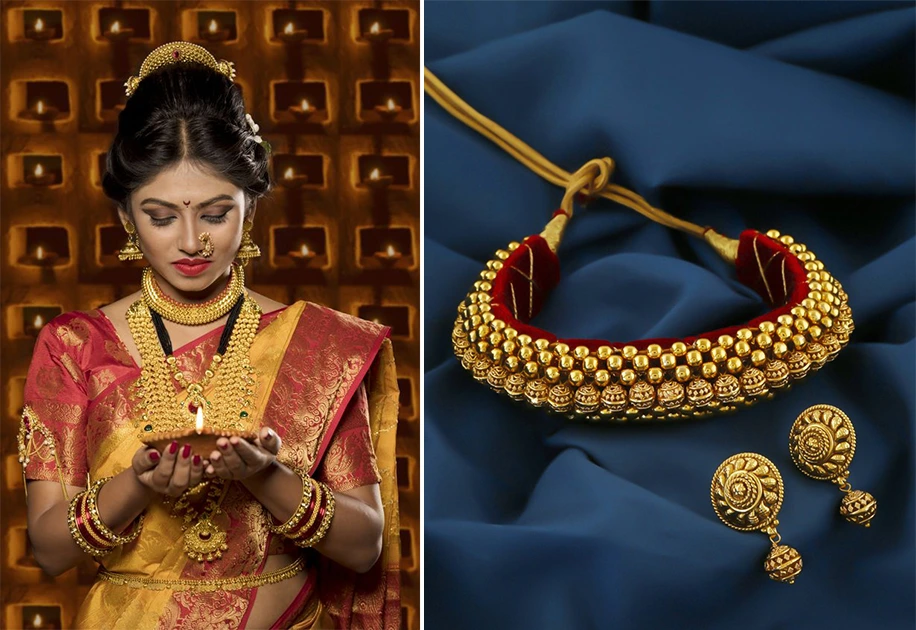
Jewellery in Maharashtra isn’t just about beauty—it’s about identity, culture, and pride. Each piece tells a story of tradition, craftsmanship, and deep-rooted heritage. From the delicate thushi to the intricate nath, Maharashtrian jewellery holds a timeless charm that connects generations.
A Glimpse into Maharashtrian Heritage
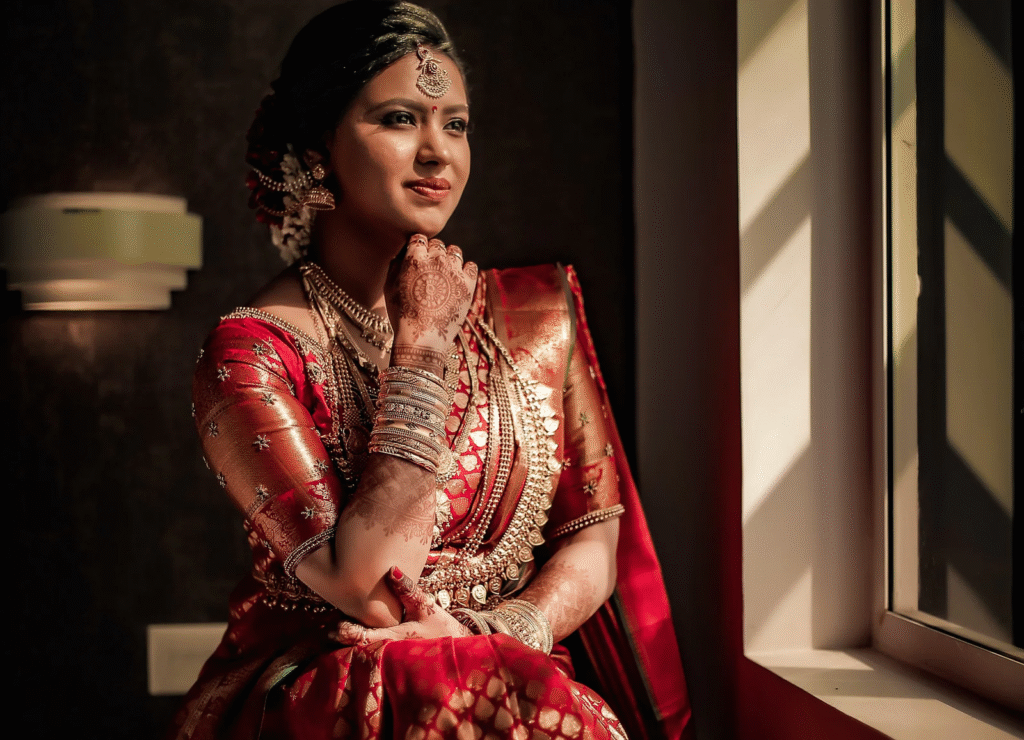
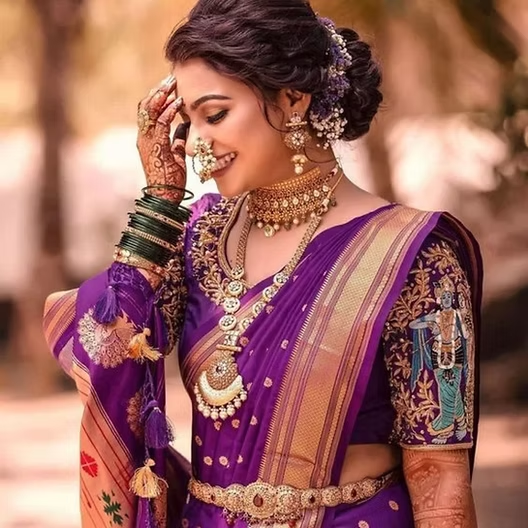
The Maharashtrian woman’s jewellery box is more than a collection of ornaments; it’s a reflection of her family’s legacy. Every design has a purpose and history. Centuries ago, these ornaments were crafted by skilled artisans to represent prosperity, strength, and grace. Over time, they’ve evolved while keeping their traditional essence alive.
The Iconic Thushi – A Symbol of Strength and Style
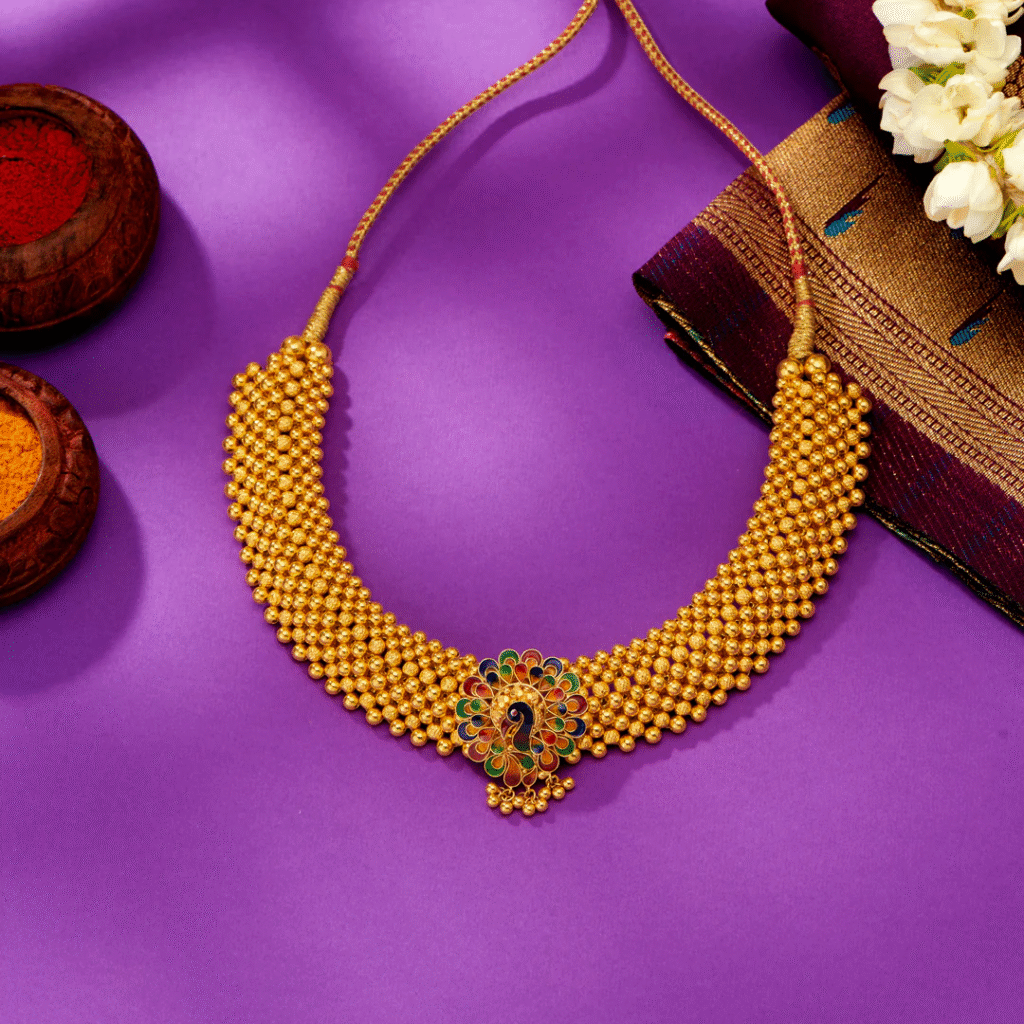
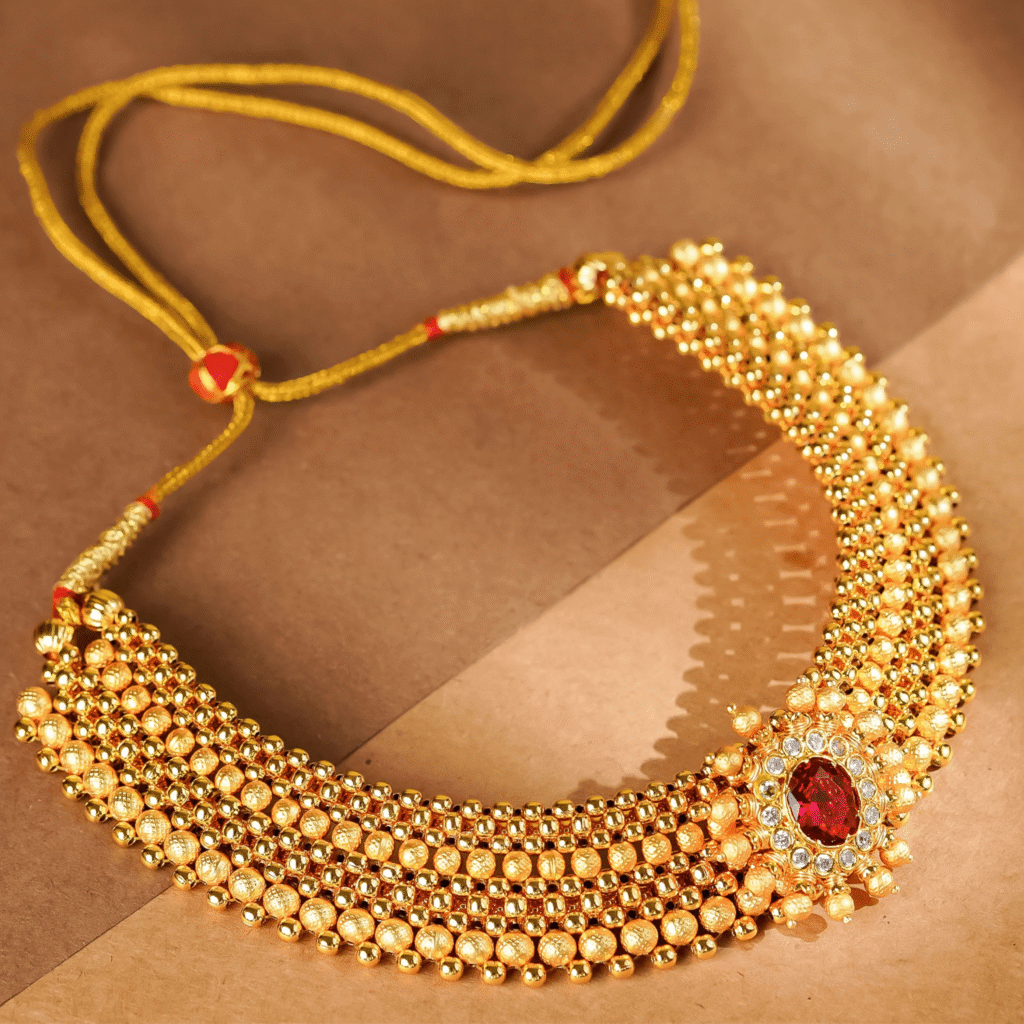
If there’s one piece that defines Maharashtrian jewellery, it’s the Thushi. Made with closely strung golden beads, this choker-style necklace originated in Kolhapur. The design is both bold and graceful, symbolizing power and confidence. Modern brides love pairing it with traditional sarees or even contemporary outfits for a royal touch.
The Nath – More Than Just a Nose Ring
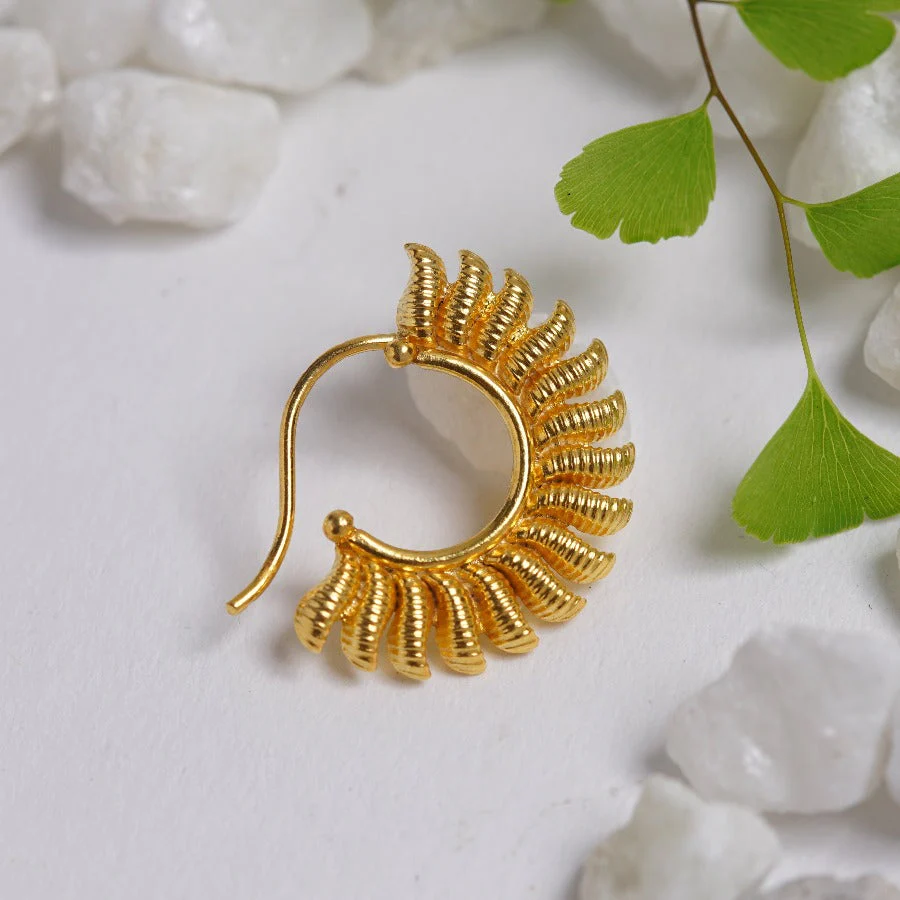
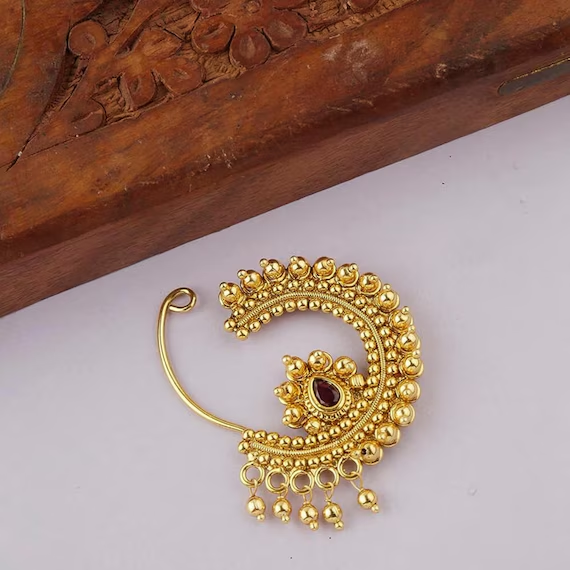
The nath, or traditional Maharashtrian nose ring, is another cultural masterpiece. Adorned with pearls and gemstones, it’s usually worn during weddings and festive occasions. The nath is said to bring good luck and mark a woman’s marital status. Even today, it remains a statement accessory that adds instant elegance to any look.
Kolhapuri Saaj – The Necklace of Stories
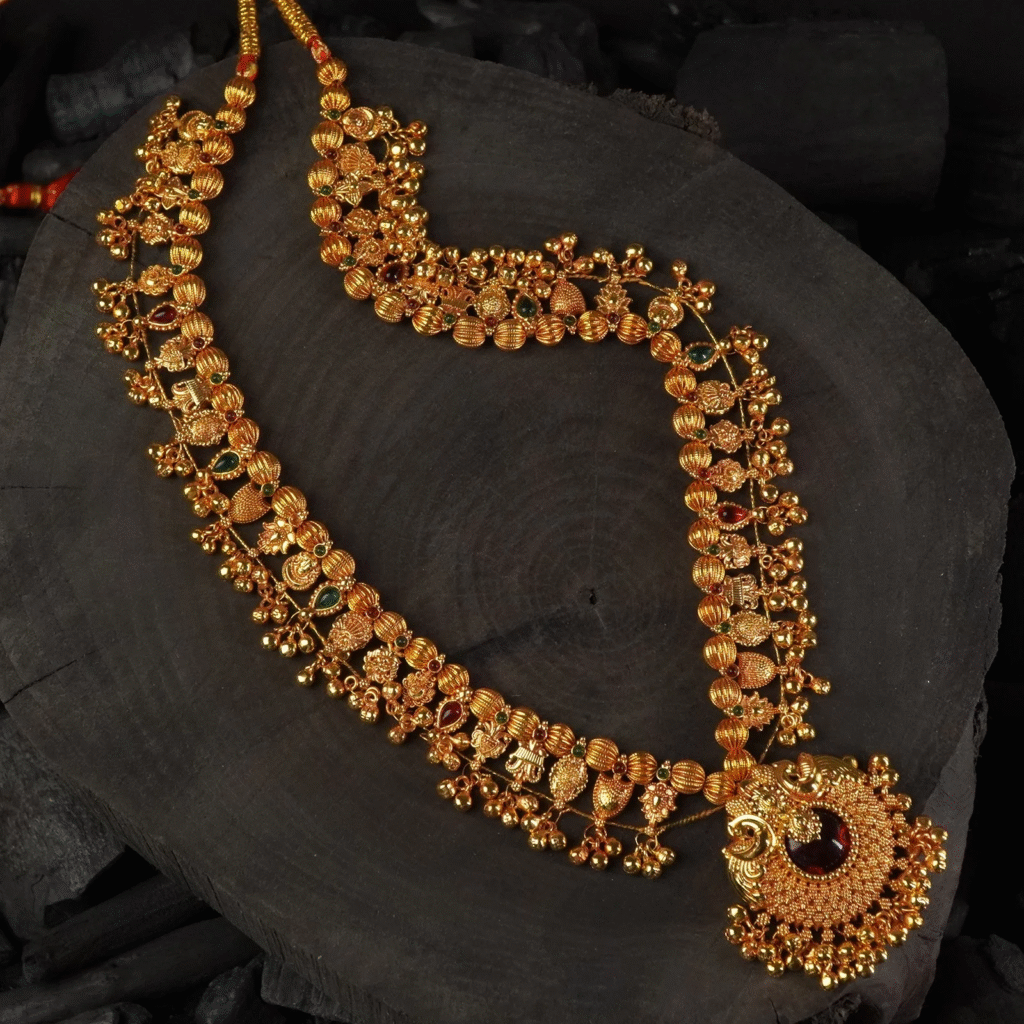
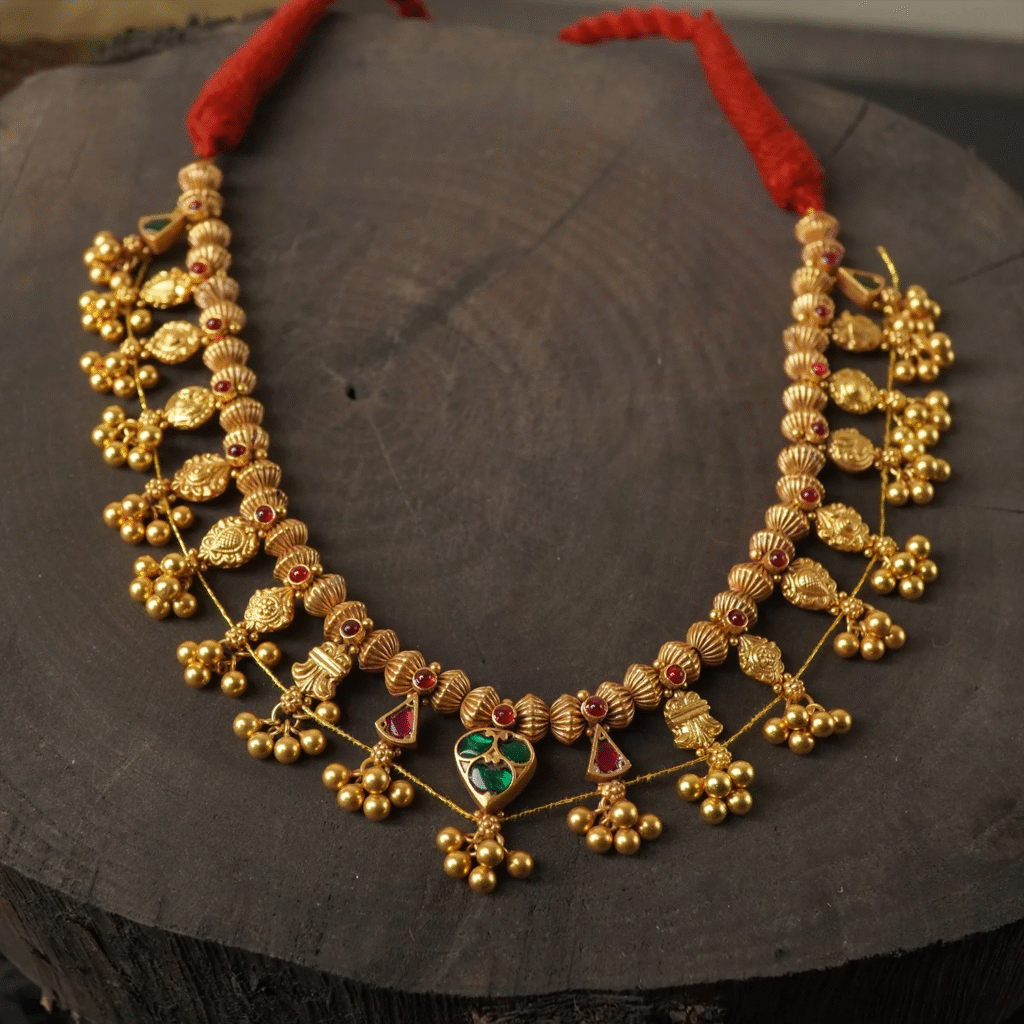
One of the most detailed and symbolic ornaments in Maharashtrian culture is the Kolhapuri Saaj. Traditionally gifted to brides, this necklace represents the sacred bond of marriage. It features 21 pendants, each with spiritual or mythological meaning. Whether you wear the authentic gold version or a lighter imitation, it carries the same essence of devotion and artistry.
Ambada Pin – The Touch of Royalty
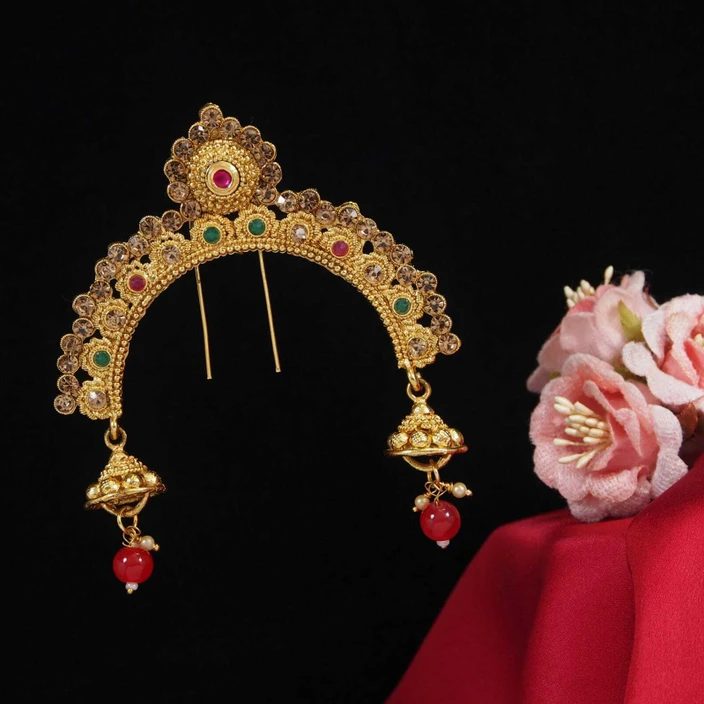
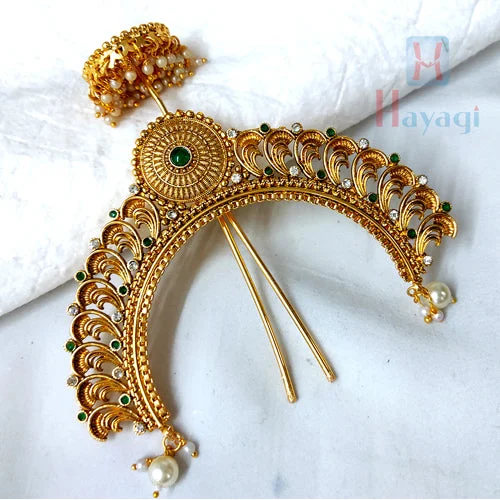
No traditional hairstyle is complete without the Ambada pin. Often designed with floral or peacock motifs, it’s used to secure a bun and add an extra touch of sophistication. Today, many women love wearing these pins even with Indo-western hairstyles to add a vintage edge.
Mohan Mala and Putli Haar – Grace in Layers
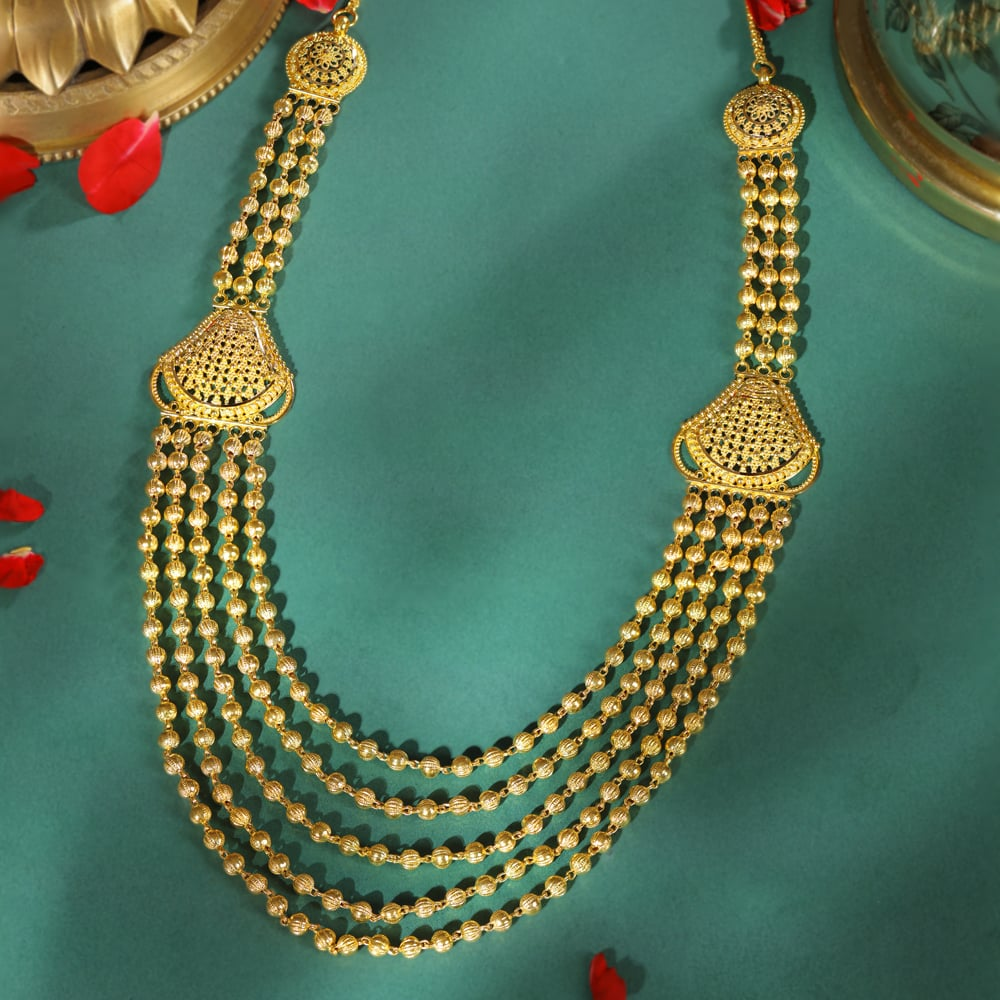
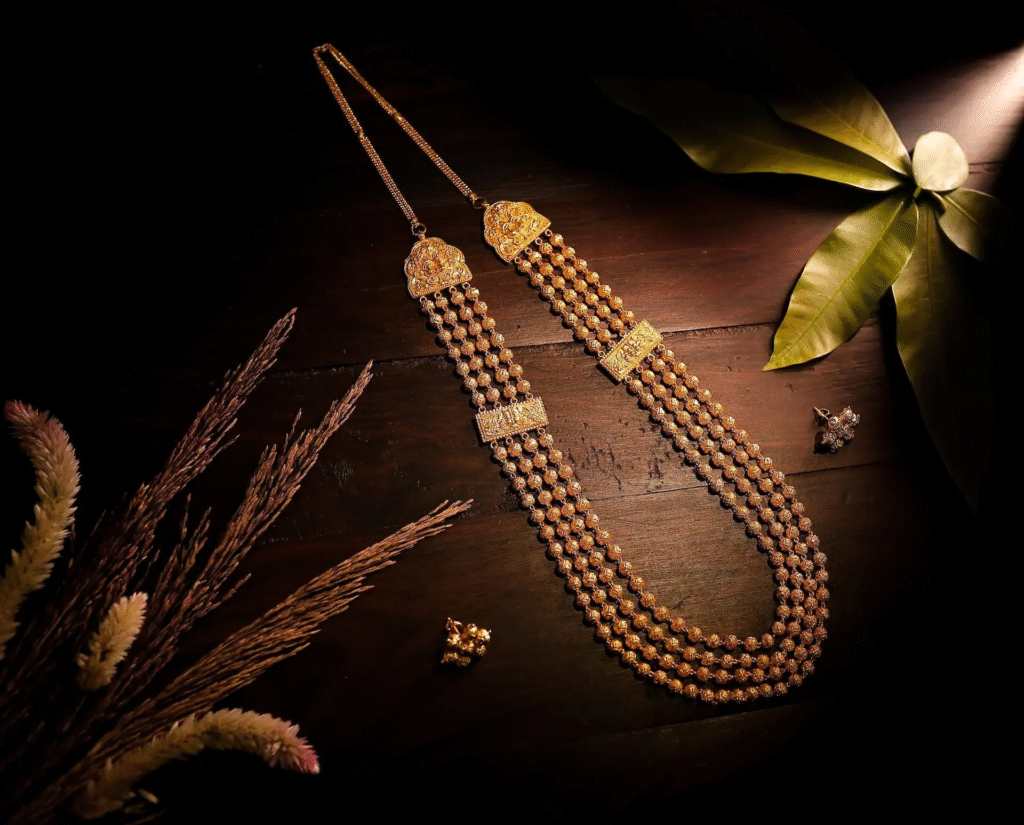
The Mohan Mala and Putli Haar are timeless necklaces that bring layers of grace. The Mohan Mala features multiple gold bead strands, while the Putli Haar stands out with embossed coin-like motifs depicting goddess Lakshmi. Together, they represent wealth, blessings, and feminine power.
Modern Take on Tradition
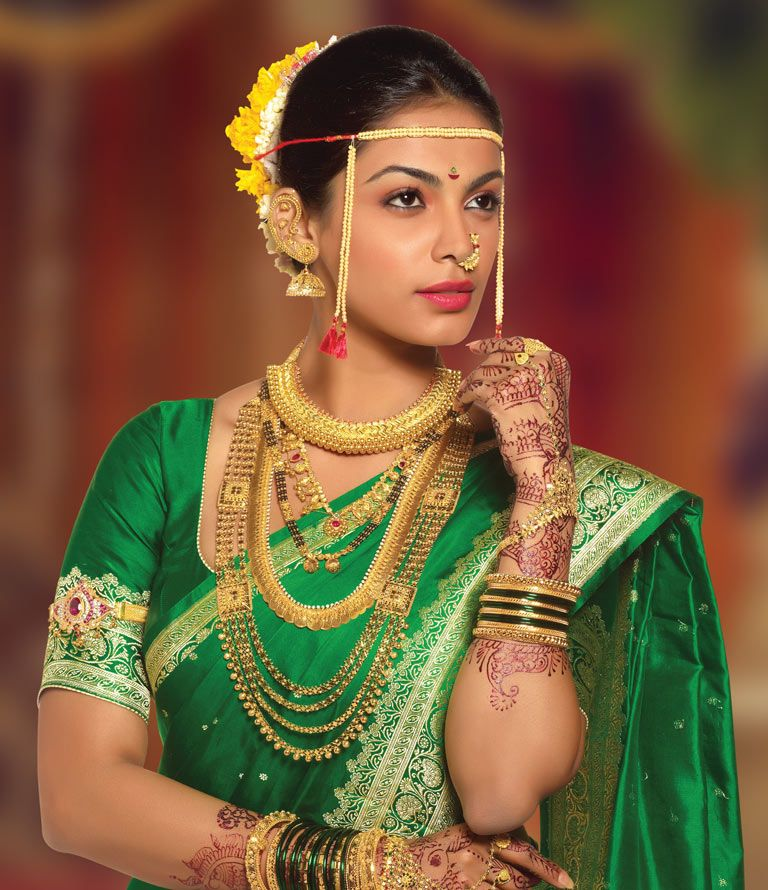
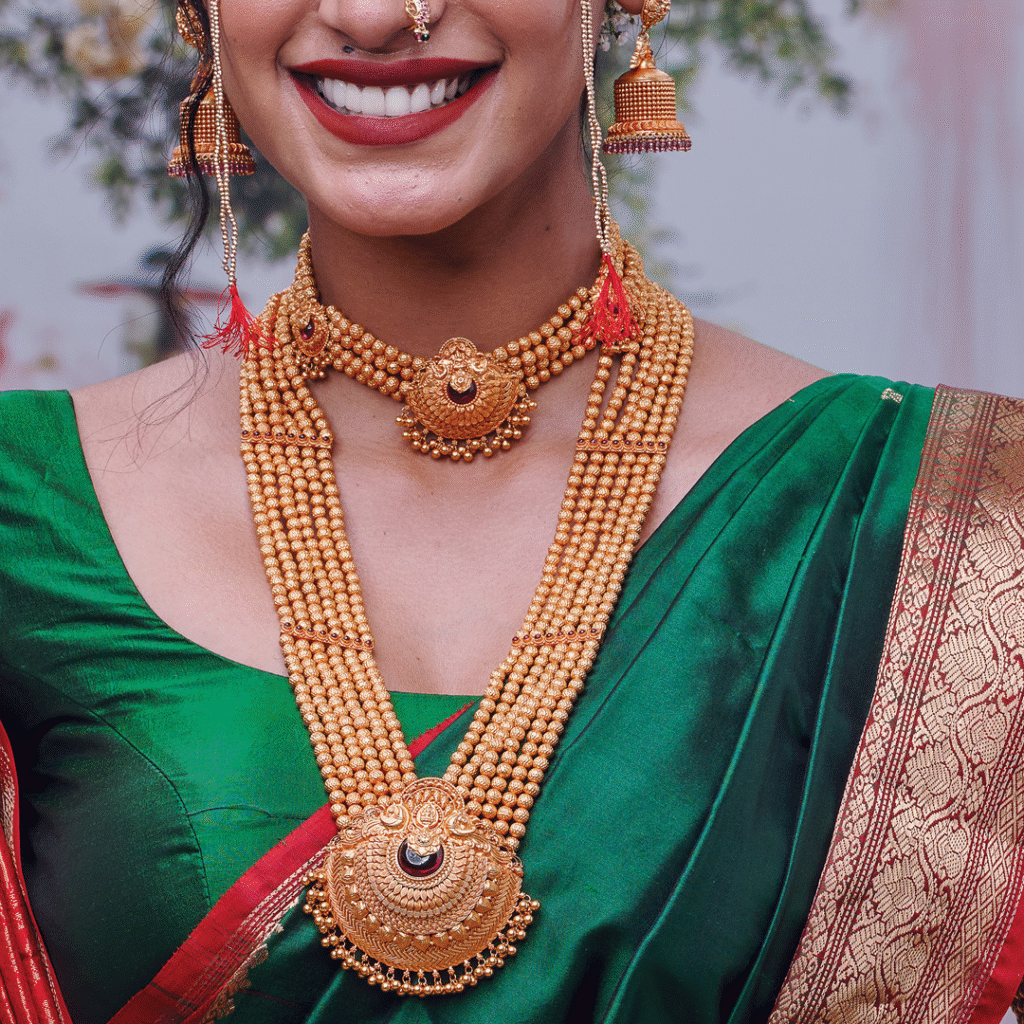
What makes Maharashtrian jewellery so special today is its versatility. Designers are blending heritage with modern aesthetics. Whether it’s a minimal thushi with a western gown or a bold nath with a fusion saree, these ornaments have found their place in contemporary fashion without losing their authenticity.
Final Thoughts
Maharashtrian jewellery isn’t just about gold and gemstones—it’s about preserving stories, emotions, and identity. Each piece, whether old or new, carries a meaning that makes it more than just an accessory. It’s heritage you can wear, and beauty that never fades.
| Tip No. | Jewellery Care Tip | Details / How to Apply |
|---|
| 1 | Keep It Dry | Avoid wearing jewellery while bathing, swimming, or working out. Water, sweat, and chlorine can dull the shine, especially for silver and costume jewellery. |
| 2 | Avoid Chemicals | Perfume, lotion, hairspray, and deodorant can damage metals and stones. Always apply them before wearing jewellery and let them dry. |
| 3 | Store Properly | Store each piece separately in soft pouches or anti-tarnish bags to prevent scratches and tangling. Avoid keeping all pieces in one box. |
| 4 | Clean Regularly | Wipe jewellery with a soft cloth after every use. For deep cleaning: use mild soapy water for gold, silver polish cloth for silver, and only a dry cloth for fashion jewellery. |
| 5 | Avoid Direct Sunlight & Heat | Keep jewellery away from sunlight and heat as they can fade gemstones and weaken metal plating. Store in a cool, dark place. |
| 6 | Handle With Care | Remove jewellery during chores, cooking, or physical tasks. Avoid dropping pieces — even small impacts can loosen stones. |
| 7 | Travel Smart | Use a travel jewellery case with compartments. Never wrap pieces in paper towels; they can scratch delicate surfaces. |
Maharashtrian jewellery is a beautiful reminder of India’s artistic heritage. Each ornament, from the Thushi to the Kolhapuri Saaj, carries stories of devotion, craftsmanship, and timeless beauty. These pieces aren’t just meant to adorn—they celebrate tradition and connect us to our roots. Whether worn for weddings, festivals, or simply as a style statement, Maharashtrian jewellery continues to shine as a symbol of elegance, pride, and culture.
This article is written for informational and cultural purposes only. The descriptions and historical insights are based on traditional practices and general references. Readers are encouraged to verify specific details and authenticity before purchasing or wearing traditional jewellery pieces.
#MaharashtrianJewellery #IndianTradition #Carrerbook #Anslation #CulturalJewellery #ThushiNecklace #KolhapuriSaaj #NathDesign #IndianBridalJewellery #HeritageStyle #JewelleryLovers #TraditionalElegance #MarathiCulture #GoldJewellery